A walker is an essential mobility aid for many individuals, providing support and stability during movement. However, not all walkers are created equal, especially when it comes to the braking system. Selecting the right brakes for your walker is crucial for ensuring safety and comfort. This guide aims to help you understand the types of brakes available, how they function, and how to choose the right ones for your specific needs.
Understanding the Importance of Walker Brakes
Brakes on a walker are not merely an accessory; they are a fundamental safety feature. Effective brakes can prevent accidents, promote independence, and enhance the overall experience of using a walker. Here are some reasons why choosing the right brakes is essential:
- Safety: Proper brakes can prevent falls and injuries.
- Control: They provide better control over movement, especially on slopes or uneven surfaces.
- Confidence: Knowing you have reliable brakes can boost your confidence and encourage mobility.
Types of Brakes for Walkers
There are several types of brakes available for walkers, each with its own mechanisms and functionalities. Understanding these types can help you make an informed decision.
1. Push-to-Lock Brakes

Push-to-lock brakes are activated by pushing down on a lever, which locks the wheels in place. This type of brake is common on many standard walkers and is simple to use.
- Pros: Easy to operate; provides stability when standing still.
- Cons: May require a bit of strength to engage, which could be difficult for some users.
2. Pull-to-Lock Brakes
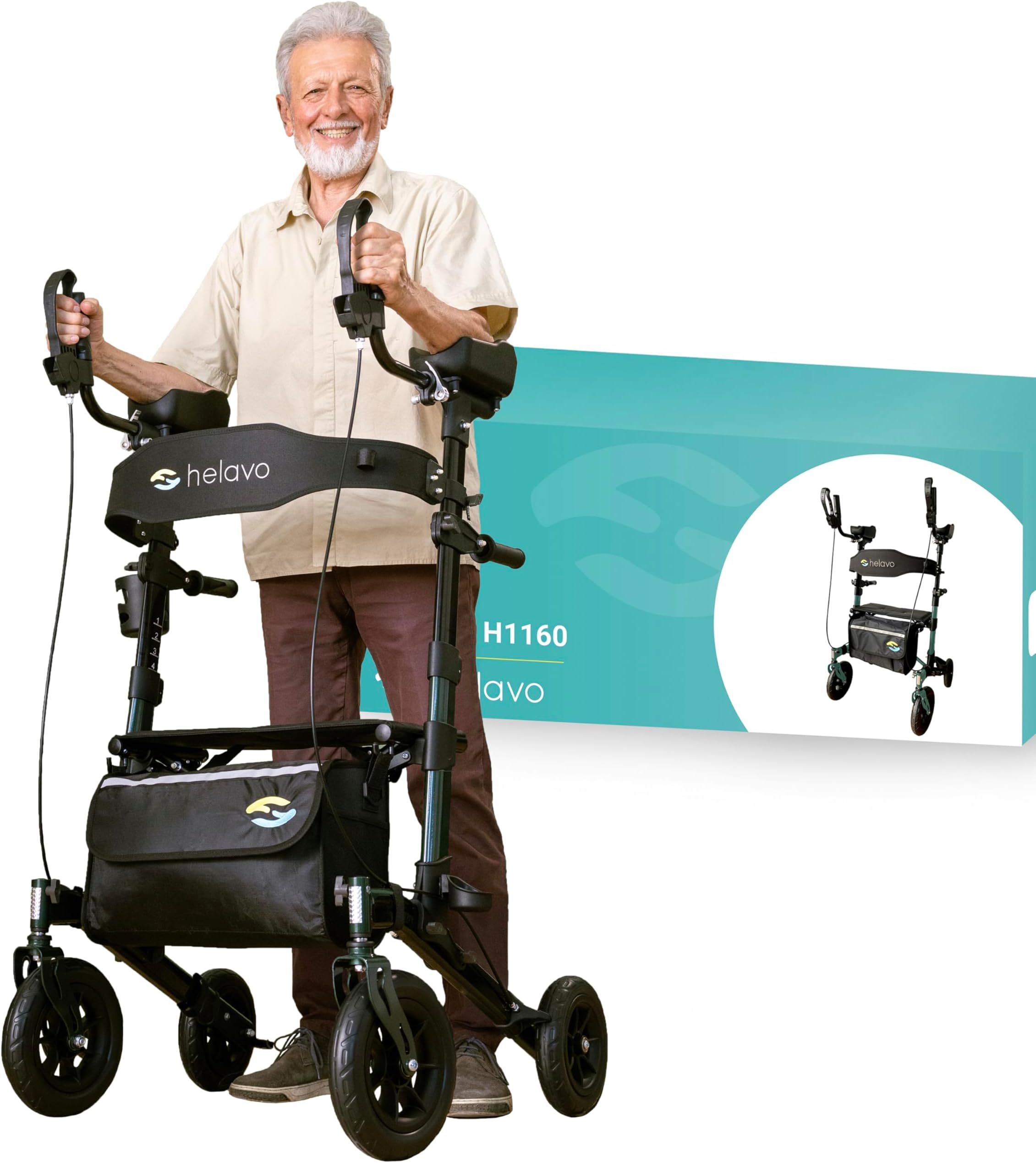
Pull-to-lock brakes function similarly but are engaged by pulling a lever upwards. This mechanism is often preferred by users who may find pushing down challenging.
- Pros: Generally easier for individuals with limited strength in their hands.
- Cons: May not provide as much stability as push-to-lock brakes.
3. Handbrakes
Handbrakes are similar to those found on bicycles. They allow users to slow down or stop by squeezing the handle. Handbrakes offer a higher level of control, especially for those who are more active.
- Pros: Provides excellent control and responsiveness.
- Cons: May require a degree of dexterity and strength to operate effectively.
4. One-Click Brakes

One-click brakes are often found on more advanced walkers and are activated by a single button or lever. They lock and unlock automatically, making them convenient for users with limited mobility.
- Pros: Extremely user-friendly and convenient.
- Cons: May be more expensive and less available than traditional options.
Factors to Consider When Choosing Walker Brakes
When selecting brakes for your walker, several factors should be considered to ensure they meet your specific needs and lifestyle.
1. User’s Strength and Dexterity
Consider the physical abilities of the user. Some brakes require more strength and dexterity than others. Engaging with a healthcare professional may help determine the best option based on individual capabilities.
2. Terrain and Environment
The environment in which the walker will be used plays a significant role in brake selection. For example, if you often navigate uneven surfaces or slopes, look for brakes that provide strong stability.
3. Frequency of Use
How often the walker will be used can influence your choice. If it’s for daily use, investing in higher-quality brakes may be advantageous for durability and performance.
4. Comfort and Ergonomics
Brakes should be comfortable to use. Consider ergonomically designed brakes that fit well in the user’s hand and require minimal effort to operate.
Case Studies: Real-Life Applications

To further illustrate the importance of choosing the right brakes, here are two case studies that highlight different user experiences:
Case Study 1: Martha, a Senior with Limited Hand Strength
Martha, a 75-year-old woman with arthritis, struggled with traditional push-to-lock brakes on her walker. After consulting with a physical therapist, she switched to pull-to-lock brakes, which required less effort to engage. This change not only improved her confidence but also reduced her risk of falls during her daily walks.
Case Study 2: John, an Active Younger Adult
John, a 35-year-old man who uses a walker due to a spinal injury, opted for handbrakes for better control during his exercise routines. His choice allowed him to navigate varied terrains easily, significantly enhancing his independence and mobility.
Statistics on Walker Safety and Brakes

Statistics reveal that falls are a leading cause of injury among older adults, with about 36 million falls reported each year in the United States alone. Proper walker usage, including the right brakes, can significantly reduce this risk. According to a study by the National Institute on Aging, walkers equipped with reliable braking systems can reduce fall rates by up to 50% in at-risk populations.
Maintenance of Walker Brakes

Once you have chosen the right brakes for your walker, it’s essential to maintain them properly to ensure their longevity and effectiveness. Here are some maintenance tips:
- Regularly Check for Wear and Tear: Inspect brakes for any signs of damage or wear that may affect their functionality.
- Clean the Mechanism: Keep the brake mechanism clean from dirt and debris to ensure smooth operation.
- Adjust Tension: Some brakes may require tension adjustments over time; refer to the manufacturer’s instructions for guidance.
Choosing the right brakes for your walker is a crucial step in ensuring safety, comfort, and independence. By understanding the different types of brakes, considering the user’s abilities and environment, and maintaining the brakes properly, you can enhance your mobility experience significantly. Whether you’re a caregiver, a healthcare professional, or an individual seeking mobility solutions, this guide provides valuable insights into making an informed decision when selecting walker brakes. Remember, the right brakes can make all the difference in promoting a safer and more confident walking experience.