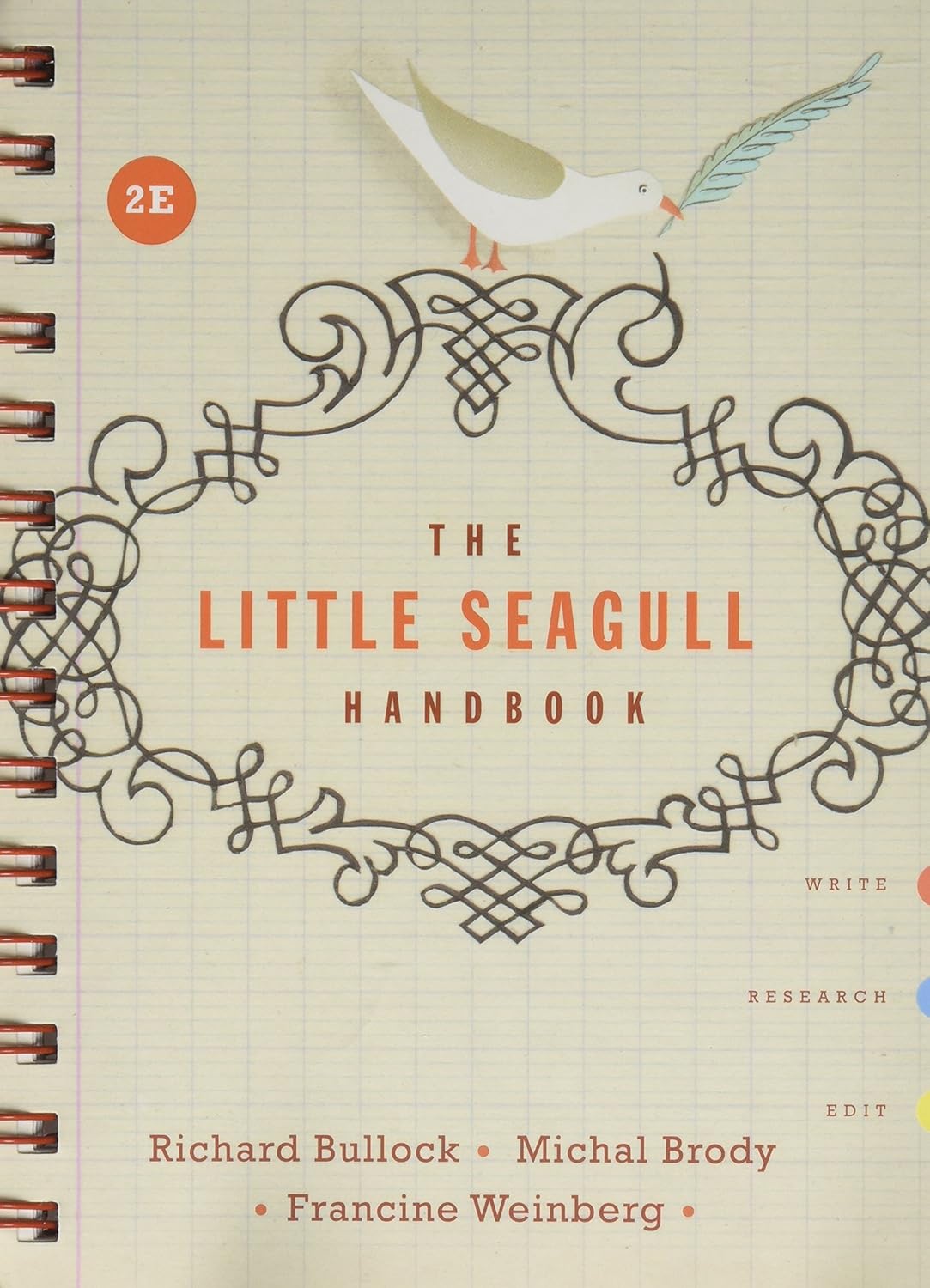
Writing is a fundamental skill that impacts various aspects of life, from academic success to professional communication. The Little Seagull Handbook is an invaluable resource that provides clear guidance on writing techniques, grammar, and documentation styles. This article explores practical exercises from the handbook that can significantly enhance your writing skills in English.
The Importance of Strong Writing Skills
In today’s fast-paced world, effective communication is key. Strong writing skills not only facilitate clear expression of ideas but also enhance credibility and professionalism. According to a survey by the National Association of Colleges and Employers, 73% of employers look for strong written communication skills when hiring candidates. This statistic underscores the necessity of honing writing abilities.
Key Areas of Focus in Writing
Before diving into exercises, it’s essential to understand the core areas that contribute to effective writing:
- Clarity: Ideas should be expressed clearly and concisely.
- Grammar: Proper grammar is crucial for professionalism and readability.
- Structure: A well-organized piece guides the reader through the content.
- Style: Adapting style to suit the audience and purpose enhances engagement.
Practical Exercises from The Little Seagull Handbook
The Little Seagull Handbook offers a variety of exercises designed to improve different aspects of writing. Here are some practical exercises that can help enhance your writing skills.
1. The Writing Process Exercise

Understanding the writing process is vital for producing polished work. The handbook outlines a five-step process: prewriting, drafting, revising, editing, and publishing. Here’s how to practice each step:
- Prewriting: Take 10-15 minutes to brainstorm topics. Use mind maps or lists to organize your thoughts.
- Drafting: Write a rough draft of 300-500 words without worrying about perfection. Focus on getting your ideas down.
- Revising: Review your draft for content and structure. Consider if your ideas flow logically and if your argument is coherent.
- Editing: Check for grammatical errors and ensure clarity. Read your work aloud to catch awkward phrasing.
- Publishing: Share your work with peers or submit it to a platform. Feedback is crucial for improvement.
2. Sentence Variety Exercise
Monotonous sentence structures can bore readers. To practice sentence variety, try the following exercises:
- Combine Sentences: Take a paragraph and identify short, choppy sentences. Combine them to create more complex structures.
- Vary Sentence Starters: Rewrite a paragraph, changing the way you start each sentence. This can include using adverbs, questions, or participial phrases.
- Experiment with Length: Write a paragraph using sentences of varying lengths. This creates rhythm and keeps the reader engaged.
3. The Grammar and Punctuation Exercise
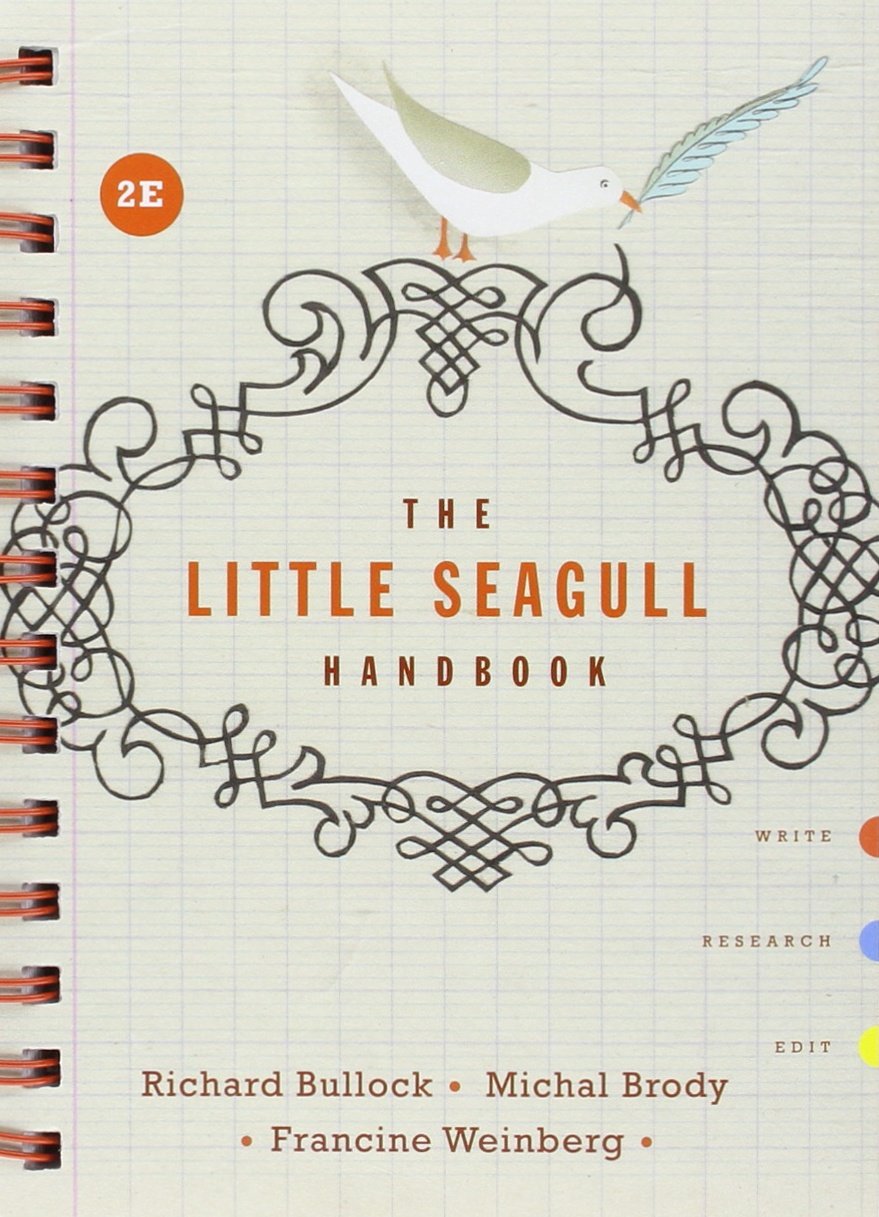
Proper grammar and punctuation are essential for clear writing. The Little Seagull Handbook provides exercises to reinforce these skills:
- Grammar Quizzes: Complete grammar quizzes available online or in the handbook. Focus on commonly confused words and sentence structure.
- Punctuation Practice: Rewrite a passage without punctuation and then add it back in. This helps understand the function of different punctuation marks.
- Peer Review: Swap writing with a partner and provide feedback focusing on grammar and punctuation mistakes.
4. The Style and Tone Exercise
Adapting your writing style and tone to your audience is crucial. Here are some exercises to practice:
- Identify Your Audience: Write a paragraph on the same topic for three different audiences (e.g., children, professionals, and academics). Notice how your tone and word choice change.
- Analyze Style: Read articles or essays from different genres (e.g., persuasive, narrative, expository). Take notes on the style and tone used by the authors.
- Imitate Style: Choose a passage from a favorite author and rewrite it in your own words while maintaining the original style and tone.
Case Studies: Successful Writers Who Practiced These Exercises
Many successful writers attribute their skills to diligent practice and the use of writing resources like The Little Seagull Handbook. Consider the following examples:
Case Study: J.K. Rowling
Before becoming the bestselling author of the Harry Potter series, J.K. Rowling practiced her writing skills through extensive reading and writing exercises. She often rewrote chapters, focusing on clarity and style, which ultimately shaped her unique voice.
Case Study: Stephen King
Stephen King emphasizes the importance of revision. In his book “On Writing,” he discusses the rigorous editing process he employs, often rewriting drafts multiple times. This commitment to clarity and structure reflects exercises similar to those found in The Little Seagull Handbook.
Statistics Supporting Writing Improvement

Statistics illustrate the efficacy of structured writing exercises:
- According to a study by the Pew Research Center, 83% of employers consider writing skills essential for career advancement.
- Research published in the Journal of Writing Research found that students who engage in structured writing exercises score significantly higher on writing assessments.
The Path to Mastering Writing Skills
Improving writing skills is a journey that requires dedication, practice, and the right resources. The Little Seagull Handbook serves as an excellent guide, offering practical exercises that cover various aspects of writing, from grammar to style. By engaging in the outlined exercises, individuals can enhance their clarity, structure, and overall effectiveness in writing.
As demonstrated through case studies and statistics, consistent practice leads to profound improvements. Whether you are a student, a professional, or simply someone who wishes to express ideas more effectively, utilizing the exercises from The Little Seagull Handbook can pave the way for exceptional writing skills. Remember, the key to mastery lies in practice, revision, and an openness to feedback.