In the realm of literature, few themes resonate as powerfully as the intersection of love and madness. The 1993 novel “El niño que enloqueció de amor” (The Boy Who Went Mad with Love) by the Argentine author Eduardo Sacheri explores this complex relationship through its characters, primarily focusing on the protagonist, a young boy named ‘Gonzalo’. This article delves into the multifaceted nature of love and madness as depicted in the novel, offering a thorough character analysis while drawing connections to broader psychological themes.
Understanding the Protagonist: Gonzalo
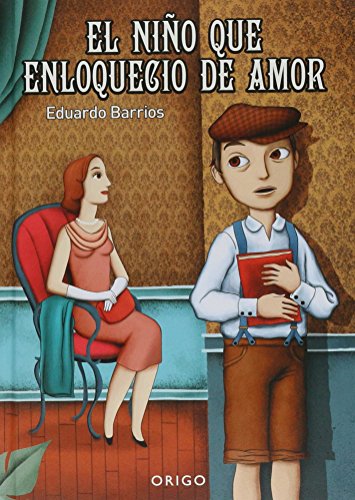
Gonzalo’s character is central to unraveling the intricate themes of love and madness in the narrative. His journey begins as a typical young boy, filled with dreams and aspirations, but it quickly takes a turn as he falls deeply in love.
The Innocence of Youth

At the outset, Gonzalo embodies the innocence of childhood. He is portrayed as:
- A dreamer who believes in the idealism of love.
- A young boy navigating the tumultuous waters of adolescence.
- Vulnerable, seeking validation and acceptance from his peers and crush.
This innocence is crucial as it lays the groundwork for his emotional turmoil. The first signs of his madness appear when he becomes infatuated with a girl named Ailén. His love is pure but also obsessive, marking the beginning of a tumultuous journey.
The Descent into Madness

As Gonzalo’s feelings deepen, his perception of reality becomes increasingly distorted. The novel illustrates how love, when unrequited or overly obsessive, can lead to a psychological breakdown. Key elements of his descent into madness include:
- Isolation from friends and family, as he becomes consumed by his thoughts of Ailén.
- Erratic behavior, including daydreaming and neglecting school responsibilities.
- A tendency to idealize Ailén, creating an unattainable standard of love.
These aspects underscore how love can transform into a form of madness, reflecting broader psychological concepts. Gonzalo’s experience is emblematic of the “madness of love,” a theme explored in various literary works throughout history, including Shakespeare’s “Romeo and Juliet” and Goethe’s “The Sorrows of Young Werther.”
Ailén: The Catalyst of Gonzalo’s Madness
Ailén serves as more than just an object of Gonzalo’s affection; she is the catalyst that ignites his emotional turmoil. Her character is essential in understanding the dynamics of love and obsession.
The Object of Desire
Ailén is portrayed as the quintessential love interest. Her characteristics include:
- Beauty and charm that captivates Gonzalo.
- A personality that embodies both warmth and aloofness, leaving Gonzalo in a constant state of yearning.
- Unawareness of Gonzalo’s obsessive love, which adds to the complexity of their relationship.
Despite being unaware of the impact she has on Gonzalo, Ailén becomes the focal point of his madness. Her indifference amplifies his feelings of inadequacy and rejection, driving him further into obsession.
The Complexity of Love

The relationship between Gonzalo and Ailén showcases the duality of love. On one side, it is an emotional force that can inspire great creativity and joy; on the other, it can lead to despair and madness. This complexity is reflected in how Gonzalo idealizes Ailén, as he imbues her with traits that may not exist. The novel explores the following themes regarding love:
- Love as a source of inspiration and creativity.
- Love as a catalyst for self-destruction.
- The fine line between admiration and obsession.
The Role of Secondary Characters
While Gonzalo and Ailén are the primary focus, secondary characters play a crucial role in highlighting the madness of love. Figures such as Gonzalo’s friends and family provide context for his emotional state.
Friends and Peers

Gonzalo’s friends represent the societal pressures faced by adolescents. They often tease him about his infatuation, leading to:
- Increased embarrassment and self-doubt for Gonzalo.
- A sense of isolation as he feels misunderstood.
- A struggle between the desire for acceptance and the longing for love.
These interactions emphasize the theme of societal expectations in shaping one’s emotional responses, suggesting that madness can also stem from external pressures rather than internal feelings alone.
Family Dynamics
Gonzalo’s family adds another layer to the narrative. They represent stability and love but also highlight the generational gap in understanding emotions. Key points include:
- The parents’ attempts to guide Gonzalo but often falling short due to a lack of understanding of adolescent love.
- Family dynamics that mirror Gonzalo’s internal struggles, showing that madness can be a collective experience.
- The protective nature of family, which contrasts with the vulnerability of youthful romance.
The Psychological Implications of Love and Madness

The themes in “The Boy Who Went Mad with Love” resonate with psychological studies on love and obsession. Research indicates that:
- Love activates the brain’s reward pathways, releasing dopamine, which can lead to obsessive behaviors.
- Unrequited love can lead to symptoms similar to those of addiction, including anxiety and depression.
- Psychological literature suggests that intense feelings can lead to a temporary loss of touch with reality.
Gonzalo’s experience exemplifies these findings, as his emotional state deteriorates from a healthy admiration to a debilitating obsession. The novel serves as a microcosm of the broader psychological implications of love, showcasing how it can lead to both ecstasy and despair.
The Mad Dance of Love
In “The Boy Who Went Mad with Love,” Eduardo Sacheri masterfully explores the intricacies of love and madness through the lives of Gonzalo, Ailén, and their surrounding characters. The novel serves as a poignant reminder of the delicate balance between affection and obsession, showcasing how love can inspire both beauty and chaos. Gonzalo’s journey reflects the common experiences of youth, while also delving into deeper psychological themes that resonate universally. The narrative illustrates that love, while a powerful force for good, can also lead to madness if left unchecked. Ultimately, Sacheri’s work encourages readers to reflect on their own relationships and the fine line between love and madness.