Evergreen trees are a staple in many landscapes, providing year-round color and structure. However, to thrive, these trees require the right care, including an appropriate fertilizer. With countless options available, choosing the right evergreen tree fertilizer can be overwhelming. This guide aims to simplify the process, providing insights into the types of fertilizers, their application, and tips for optimal results.
Understanding Evergreen Trees and Their Nutritional Needs
Evergreen trees, such as pines, spruces, and firs, retain their foliage throughout the year, making them unique among trees. They have specific nutritional requirements that differ slightly from deciduous trees. Understanding these needs is the first step in choosing the right fertilizer.
- Nitrogen: Essential for growth and foliage development.
- Phosphorus: Important for root development and flowering.
- Potassium: Aids in overall tree health and disease resistance.
- Micronutrients: Elements like iron, manganese, and zinc support various physiological functions.
Types of Evergreen Tree Fertilizers
Fertilizers can be categorized into several types, each with unique characteristics and benefits. Understanding these can help you make an informed decision.
1. Granular Fertilizers

Granular fertilizers are solid particles that can be spread over the soil or mixed into it. They are slow-release, providing nutrients over an extended period.
- Advantages: Long-lasting effects, less frequent application needed.
- Disadvantages: Requires water for activation, potential for runoff if over-applied.
2. Liquid Fertilizers
Liquid fertilizers are water-soluble and can be applied directly to the soil or foliage. They offer quick nutrient uptake but require more frequent application.
- Advantages: Fast-acting, ideal for addressing nutrient deficiencies.
- Disadvantages: Shorter duration, risk of over-fertilization.
3. Organic Fertilizers

Organic fertilizers are derived from natural sources and are often more environmentally friendly. They improve soil health and structure over time.
- Advantages: Sustainable, improves soil microbial life.
- Disadvantages: Slower nutrient release, may require larger quantities.
4. Synthetic Fertilizers
Synthetic fertilizers are chemically manufactured and provide nutrients in precise amounts. They are readily available but can impact soil health if overused.
- Advantages: Immediate nutrient availability, targeted formulations.
- Disadvantages: Risk of soil degradation, potential water pollution.
Choosing the Right Fertilizer for Your Evergreen Trees
Selecting the appropriate fertilizer requires consideration of several factors, including soil type, tree species, and growth stage. Here’s how to make the right choice:
1. Soil Testing
Before applying any fertilizer, conducting a soil test is crucial. This test will determine the pH level, nutrient content, and any deficiencies present in the soil.
- pH Levels: Most evergreens prefer slightly acidic to neutral soil (pH 6.0-7.0).
- Nutrient Deficiencies: Identify specific nutrient needs based on test results.
2. Type of Evergreen Tree
Different species of evergreen trees may have varying nutrient requirements. For example:
- Pines: Generally require more nitrogen to support needle growth.
- Spruces: Benefit from balanced fertilizers with equal parts N-P-K (Nitrogen-Phosphorus-Potassium).
- Cedars: Prefer higher potassium levels for drought resistance.
3. Growth Stage
The growth stage of your evergreen tree can also influence fertilizer choice:
- New Plantings: Use a starter fertilizer with higher phosphorus to promote root development.
- Established Trees: Apply a balanced fertilizer to support ongoing growth and health.
- During Stress: Supplement with organic fertilizers or liquid feeds to boost recovery.
Application Techniques
How you apply fertilizer can significantly impact its effectiveness. Here are several methods to consider:
1. Broadcasting
This method involves spreading granular fertilizer evenly over the soil around the tree’s drip line. It’s effective for established trees.
- Tip: Avoid placing fertilizer directly against the tree trunk to prevent root burn.
2. Drenching
For liquid fertilizers, drenching involves applying the solution directly to the soil, ensuring thorough absorption.
- Tip: Water the tree before application to enhance nutrient uptake.
3. Foliar Feeding

This method involves spraying a diluted liquid fertilizer directly onto the tree’s foliage. It’s useful for quickly addressing deficiencies.
- Tip: Apply during cooler parts of the day to reduce evaporation and leaf burn.
Case Studies: Successful Fertilization of Evergreen Trees
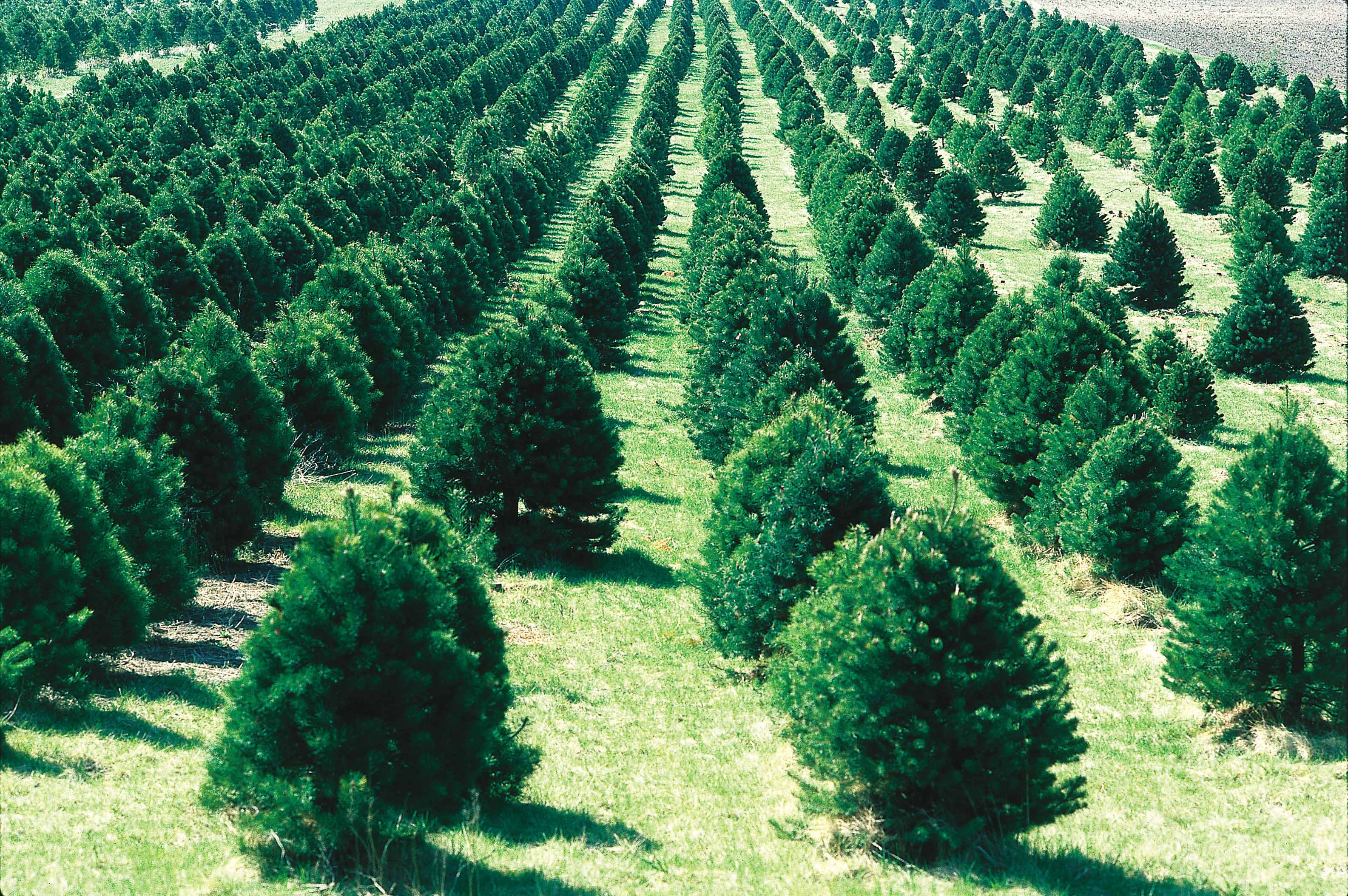
Several case studies illustrate the importance of proper fertilization for evergreen trees:
Case Study 1: A Pine Forest Restoration Project

In a restoration project in the Pacific Northwest, forestry experts applied a granular nitrogen-rich fertilizer to a struggling pine forest. Soil tests indicated a deficiency in nitrogen, which was addressed with a targeted application. The result was a 30% increase in growth rates over two years, demonstrating the importance of matching fertilizer to the specific needs of the tree species.
Case Study 2: Urban Landscape Transformation
An urban landscaping project in a New York City park utilized organic fertilizers to improve the health of newly planted spruces. By focusing on soil health and using a slow-release organic fertilizer, the trees showed marked improvement in color and health, with a 50% reduction in pest activity.
Choosing the right evergreen tree fertilizer is crucial for maintaining the health and vitality of these beautiful trees. By understanding the nutritional needs of evergreens, the different types of fertilizers available, and the factors influencing your choice, you can make informed decisions that promote robust growth. Remember to conduct soil tests, consider the specific requirements of your tree species, and apply fertilizers effectively to maximize their benefits. Whether you opt for organic or synthetic options, the key takeaway is that careful selection and application can lead to thriving evergreens that enhance your landscape for years to come.