
Wooden painted eggs are not just decorative items; they embody a rich tradition that spans cultures and generations. This craft, blending artistry with technique, captivates both creators and collectors alike. In this article, we will explore the history, techniques, and cultural significance of wooden painted eggs, while also providing insights into how you can engage in this rewarding artistic endeavor.
Historical Background
The tradition of egg decorating dates back thousands of years, with roots in various cultures around the globe. While the most commonly recognized painted eggs are those made from real chicken or duck eggs, wooden eggs have become a popular medium for both durability and creativity.
- Eastern Europe: Countries like Ukraine and Poland have a long-standing tradition of creating intricately painted wooden eggs, known as “pysanky.” These eggs are often adorned with folk motifs and vibrant colors, serving both decorative and religious purposes.
- Asia: In various Asian cultures, egg painting is a ritual that signifies rebirth and new beginnings, often associated with spring festivals.
- Western Traditions: In the West, wooden eggs are often used in Easter celebrations, representing fertility and the arrival of spring.
Materials and Tools
Creating wooden painted eggs requires specific materials and tools that can enhance the crafting experience. Here’s what you will need:
- Wooden Eggs: These can be purchased from craft stores or online. They come in various sizes and wood types, with basswood being a popular choice due to its smooth surface.
- Paints: Acrylic paints are commonly used for their vibrant colors and quick drying time. Some artisans also use oil-based paints for a glossy finish.
- Brushes: Fine-tipped brushes allow for intricate details, while broader brushes can be used for base coats.
- Sealers: A clear sealant can protect the painted surface and give it a polished look.
- Tools: For those who want to add texture, tools like carving knives and wood burning pens can be beneficial.
Techniques for Crafting Wooden Painted Eggs
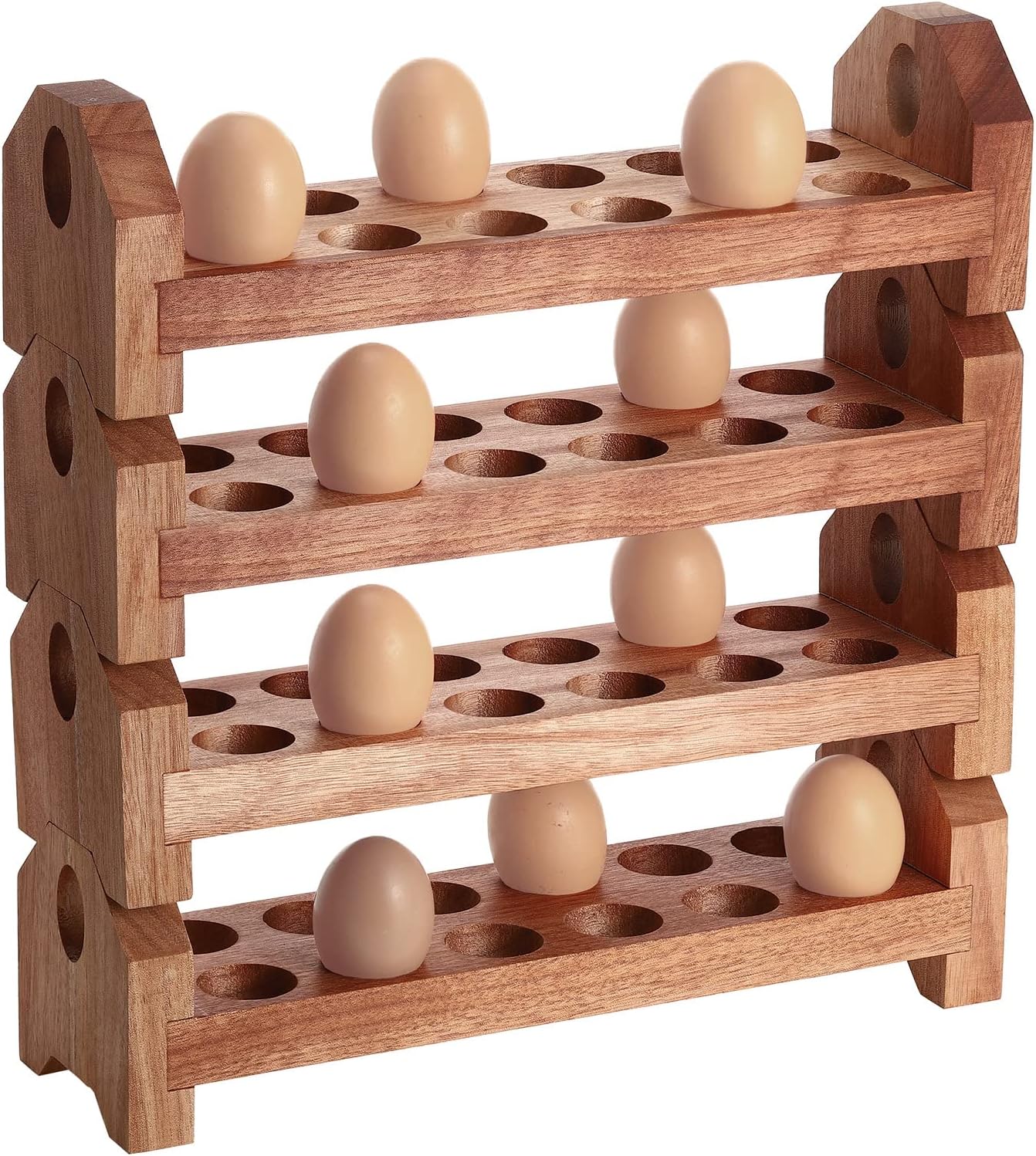
Crafting wooden painted eggs involves a combination of artistic techniques and personal flair. Here are some popular methods:
1. Base Coating

Before adding intricate designs, it’s essential to apply a base coat. This can be a solid color or a gradient, depending on the desired effect.
2. Detailing with Brushes
Once the base coat dries, artists can use fine brushes to add details. This might include floral patterns, geometric designs, or even personal motifs.
3. Decoupage

Decoupage is a technique where cut-out pictures or patterns are glued to the surface of the egg and then sealed for durability. This method allows for unique and varied designs.
4. Wood Burning
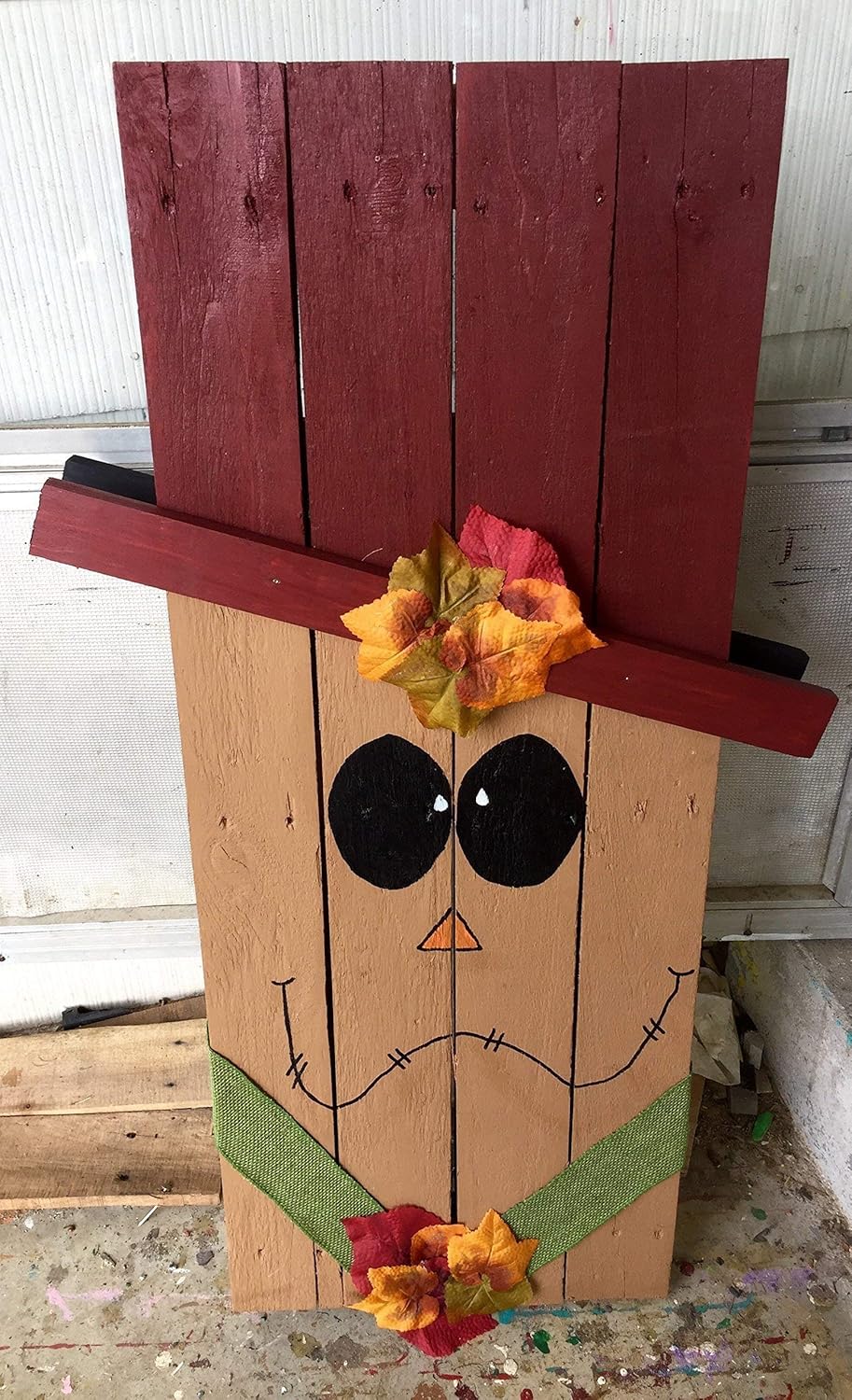
Using a wood burning tool can create intricate line work and designs. This technique adds depth and texture to the painted surface.
5. Finishing Touches
After the painting is complete, a clear sealant can be applied to protect the artwork and enhance the colors. This step is crucial for ensuring the longevity of the piece.
Cultural Significance
Wooden painted eggs carry significant cultural meanings, particularly in Eastern European traditions.
- Symbolism: Eggs are often seen as symbols of life and rebirth, making them integral to spring celebrations and festivals.
- Rituals: In many cultures, painting eggs is a communal activity that fosters bonding and sharing of artistic skills.
- Artistic Expression: Beyond religious significance, painted eggs are an avenue for personal expression, allowing artisans to convey their stories and histories through their designs.
Modern Trends in Wooden Egg Crafting
As with many art forms, the crafting of wooden painted eggs has evolved over time, influenced by modern trends and technology.
1. Eco-Friendly Practices
With a growing emphasis on sustainability, many artisans are opting for eco-friendly paints and finishes. This shift not only benefits the environment but also appeals to conscious consumers.
2. Digital Designs

Some modern crafters are using digital tools to design their patterns before transferring them onto the eggs, allowing for precision and creativity that can be hard to achieve by hand.
3. Workshops and Courses
The rise of online platforms has made it easier for enthusiasts to learn the art of egg painting through workshops and tutorials. These resources have opened the craft to a wider audience, fostering a global community of artists.
Case Studies: Successful Artisans and Their Creations

Several artisans have made a name for themselves in the world of wooden painted eggs, showcasing the beauty and depth of this craft.
The Pysanky Artists of Ukraine
Ukrainian artisans have been recognized for their masterful pysanky, often characterized by intricate designs and vibrant colors. These eggs are created using a wax-resist method, where beeswax is applied to create detailed patterns before dyeing.
American Folk Artists
In the United States, folk artists have embraced wooden egg painting as a means of preserving cultural heritage. They often incorporate local themes and narratives into their designs, celebrating the diverse tapestry of American culture.
Getting Started: Tips for Beginners
If you’re interested in delving into the world of wooden painted eggs, here are some tips to help you get started:
- Start Simple: Begin with basic designs before attempting intricate patterns. This will build your confidence and skills.
- Practice Patience: Crafting takes time, so be patient with yourself as you learn.
- Join a Community: Engaging with fellow artists can provide support and inspiration. Look for local or online groups.
- Experiment: Don’t be afraid to try new techniques and materials to find your unique style.
The art of wooden painted eggs is a timeless craft that bridges history, culture, and personal expression. Whether you are drawn to the intricate designs of Eastern European pysanky or the folk-inspired creations of American artisans, this craft offers endless possibilities for creativity and connection. By understanding the history, techniques, and cultural significance of wooden painted eggs, you can appreciate not just the beauty of these treasures, but also the stories they tell. As you embark on your own journey into this art form, remember to embrace the process, learn from others, and most importantly, enjoy the creative experience. In doing so, you’ll not only craft beautiful objects but also contribute to a rich tradition that continues to inspire and resonate with people around the world.


