David Brooks, a prominent columnist for The New York Times and a cultural commentator, has spent years exploring the intricacies of human character and morality. His insights delve into the fabric of character, the nuances of social dynamics, and the importance of community in shaping individuals. This article aims to unpack Brooks’s understanding of character, examining his key ideas and their implications for society.
The Essence of Character
Brooks distinguishes between two types of virtues: resume virtues and eulogy virtues. Resume virtues are the skills and achievements one lists on a job application, while eulogy virtues are the deeper qualities that define who we are as individuals. This distinction serves as a foundation for understanding character in the modern world.
- Resume Virtues: Skills, accomplishments, and professional attributes.
- Eulogy Virtues: Character traits such as kindness, integrity, and humility.
Brooks argues that while society often prioritizes resume virtues, it is the eulogy virtues that truly matter in the long run. He cites numerous examples of individuals who have achieved professional success but lacked moral depth, ultimately leading to a hollow existence.
The Role of Community in Shaping Character
According to Brooks, character is not forged in isolation but is profoundly influenced by community. He emphasizes the importance of belonging, relationships, and shared values in the development of personal character. Brooks notes that:
- Community creates accountability.
- Shared experiences foster empathy and understanding.
- Social networks provide support and guidance.
One of the most compelling illustrations of this idea is Brooks’s discussion of the “community of character” in various cultures. He examines how societies that emphasize communal values over individualism tend to produce more cohesive and morally grounded individuals. For example, he often references the Amish community, which places a strong emphasis on collective responsibility and moral living.
Insights from Brooks’s Observations
Brooks’s reflections on character are informed by a range of sources, including psychology, philosophy, and sociology. He highlights several insights that are crucial in understanding character development:
1. The Influence of Morality

Brooks believes that morality is a critical component in shaping character. He posits that moral frameworks provide individuals with a sense of purpose and direction. He draws on the work of thinkers like Viktor Frankl, who argued that finding meaning in life is essential for psychological well-being.
2. The Importance of Humility

In his writings, Brooks often discusses humility as a foundational virtue. He argues that humility allows individuals to connect with others, recognize their limitations, and seek growth. He highlights this trait in various historical figures, such as Abraham Lincoln, who exemplified humility in leadership.
3. The Power of Redemption
Brooks also emphasizes the capacity for personal transformation. He believes that understanding one’s flaws and seeking redemption is a vital aspect of character development. He shares stories of individuals who have turned their lives around through self-reflection and commitment to bettering themselves.
Case Studies: Character in Action
To illustrate his insights further, Brooks examines specific case studies of individuals and communities that embody the principles he discusses:
The Story of John Wooden
John Wooden, the legendary basketball coach, is often cited by Brooks as a model of character. Wooden’s emphasis on character-building over winning championships illustrates the importance of eulogy virtues. His famous “Pyramid of Success” emphasizes qualities such as loyalty, cooperation, and friendship, showcasing how character can lead to both personal and professional success.
Community Resilience in Times of Crisis
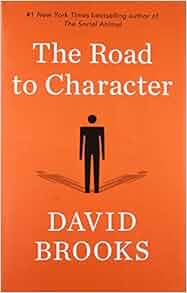
Brooks also points to communities that have come together in times of crisis, such as during natural disasters. For instance, the outpouring of support in the wake of Hurricane Katrina demonstrates how communal bonds can foster character. Residents who helped one another during the aftermath exhibited traits like courage, generosity, and selflessness, highlighting the power of community in shaping character.
Statistics and Trends in Character Development

Recent studies have shed light on the importance of character in modern society. Research indicates that:
- Individuals with strong character traits report higher levels of life satisfaction and well-being.
- Organizations that prioritize ethical leadership see improved employee morale and productivity.
- Communities with strong social ties experience lower crime rates and higher levels of civic engagement.
These findings reinforce Brooks’s argument that character development is not just a personal endeavor but also a societal necessity.
The Path Forward: Nurturing Character in Modern Society
![Finding Nemo [VHS] Albert Brooks, Ellen DeGeneres](http://ecx.images-amazon.com/images/I/51SGqATNmAL._SS500_.jpg)
Given the challenges of modern life, Brooks advocates for a concerted effort to nurture character at both individual and community levels. He suggests several strategies:
- Encourage Self-Reflection: Individuals should engage in regular self-reflection to understand their values and virtues.
- Foster Community Engagement: Participation in community activities can strengthen social ties and reinforce character development.
- Promote Ethical Leadership: Organizations should prioritize ethical standards and character-based leadership.
Brooks believes that by focusing on these areas, society can cultivate a generation that values character as much as achievement, ultimately leading to a more compassionate and cohesive world.
The Timeless Relevance of Character
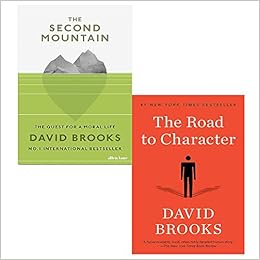
David Brooks’s insights into character provide a profound understanding of what it means to live a meaningful life. By distinguishing between resume and eulogy virtues, he challenges individuals to reflect on their values and the legacy they wish to leave behind. His emphasis on the role of community, morality, humility, and redemption offers a roadmap for personal and societal growth.
As we navigate the complexities of modern life, Brooks’s teachings remind us that character is not merely an individual pursuit but a collective endeavor. By fostering environments that prioritize character development, we can build a society that values integrity, compassion, and resilience. In a world often focused on individual success, Brooks’s work serves as a timely reminder that true greatness lies in the depth of our character.