When it comes to enhancing the safety and aesthetics of your dock, one of the most essential components is the railing. Dock rope railings have become increasingly popular due to their combination of style and functionality. This comprehensive guide explores the various aspects of dock rope railings, emphasizing safety measures, design options, maintenance, and installation tips to ensure your dock is both secure and visually appealing.
Understanding Dock Rope Railings

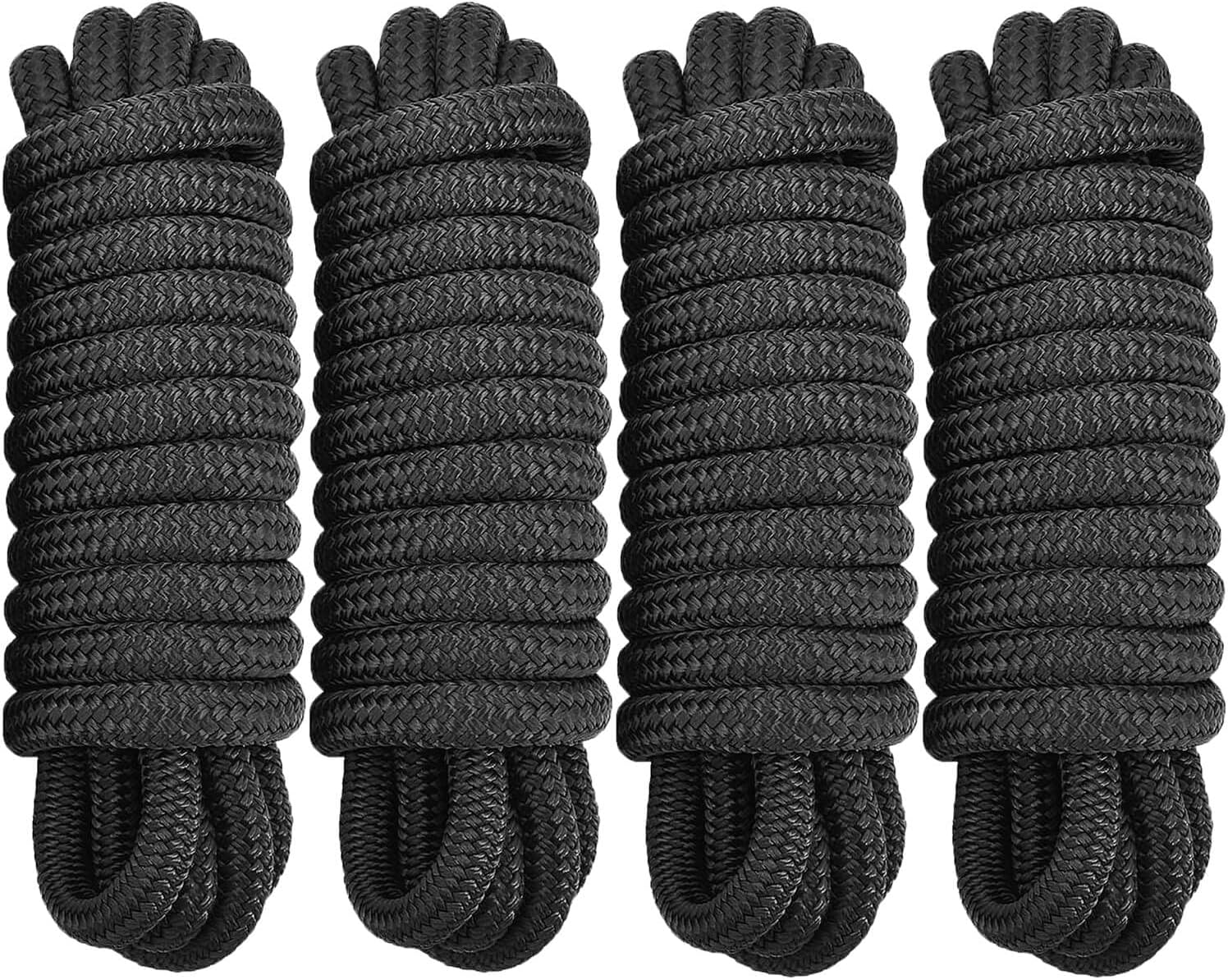
Dock rope railings are an excellent choice for waterfront properties, marinas, and recreational docks. They provide a barrier that helps prevent accidents while adding a rustic charm to the environment. These railings can be crafted from various materials, primarily focusing on durable ropes that withstand marine conditions.
Safety First: Why Dock Rope Railings Matter
Safety is paramount when it comes to docks, as slips and falls can lead to serious injuries or even drowning. Dock rope railings serve as a physical barrier, but their effectiveness is determined by design, installation, and maintenance. Here are some key safety considerations:
- Height Requirements: Railings should typically be at least 42 inches high to prevent accidental falls.
- Spacing: Ensure that the spacing between the ropes is no wider than 4 inches to prevent small children or pets from slipping through.
- Material Strength: Use marine-grade ropes that are resistant to UV rays, saltwater, and wear to ensure longevity and reliability.
- Regular Inspections: Conduct routine checks for fraying, knots, or other signs of wear and tear to maintain safety standards.
Choosing the Right Materials for Dock Rope Railings
The choice of materials is crucial for both safety and style. Here are some popular options:
- Nylon Rope: Known for its strength and durability, nylon is resistant to rot and UV damage, making it ideal for marine environments.
- Polypropylene Rope: This lightweight option floats on water and is resistant to moisture, making it a practical choice for docks.
- Natural Fiber Ropes: While they offer a rustic look, materials like sisal or jute are less durable in marine environments and require more maintenance.
- Metal Framework: Incorporating metal posts or frames can provide added strength and stability to rope railings.
Designing Your Dock Rope Railings

While safety is the primary concern, the aesthetic appeal of your dock cannot be overlooked. Here are some design ideas to consider:
- Color Coordination: Choose rope colors that complement your dock and surrounding environment. Earthy tones often blend well with natural settings.
- Rope Patterns: Experiment with various knotting techniques or braiding patterns for a unique look.
- Integrated Lighting: Consider incorporating LED lights along the railing for added visibility during nighttime.
- Seasonal Decorations: Add seasonal decor like flags or flowers to enhance the visual appeal throughout the year.
Installation of Dock Rope Railings

Proper installation is crucial for the effectiveness of dock rope railings. Here’s a step-by-step guide to ensure a secure setup:
- Planning: Measure the area to determine the length and height of the railings needed.
- Post Installation: Install sturdy posts at regular intervals (typically 6 to 8 feet apart) using concrete for stability.
- Rope Attachment: Securely attach the rope to the posts using knots or fasteners designed for marine use.
- Testing: Once installed, apply pressure to ensure the ropes are taut and secure.
Maintenance Tips for Longevity
To ensure that your dock rope railings last for years, regular maintenance is essential. Here are some tips:
- Clean Regularly: Remove dirt, algae, and other debris to prevent deterioration.
- Inspect for Damage: Regularly check for fraying or loosening and replace or repair any damaged sections immediately.
- Weatherproofing: Consider applying a marine-grade sealant to protect against salt and UV damage.
- Store During Off-Season: If your dock is seasonal, remove the railings during harsh weather to prolong their life.
Case Studies: Successful Dock Rope Railing Installations

Let’s look at a few examples of successful dock rope railing installations that highlight safety and style:
Case Study 1: Coastal Retreat in Florida
A private residence in Florida installed dock rope railings using marine-grade nylon. The owners opted for a natural color that blended seamlessly with the surrounding landscape. They incorporated LED lights along the posts, enhancing safety at night while providing an attractive ambiance.
Case Study 2: Public Marina in California

A public marina in California faced safety concerns due to high foot traffic. They upgraded their existing railings by installing sturdy metal posts with polypropylene ropes. The new design included tighter spacing and a height that exceeded standard regulations, greatly reducing the risk of accidents.
Balancing Safety and Style
Dock rope railings are an essential element for ensuring safety while enhancing the aesthetic appeal of your waterfront property. By choosing the right materials, designing with intention, and prioritizing installation and maintenance, you can create a dock space that is both functional and beautiful. Remember that safety should always be the top priority; regular inspections and adherence to height and spacing regulations will help prevent accidents. With this ultimate guide, you are now equipped with the knowledge to create a safe and stylish dock that will stand the test of time.