As pet owners, ensuring the comfort and well-being of our furry friends is a top priority. One common issue that arises, especially during colder months, is the need for warmth. Whether your pet is recovering from surgery, suffers from arthritis, or simply gets cold easily, a heating pad can provide much-needed relief. However, commercial heating pads can be expensive and may not always be safe for pets. Fortunately, there are several DIY heating pad solutions that are both affordable and easy to make. This article explores various options for creating your own pet heating pad, ensuring that your beloved companion stays warm and comfortable.
Understanding the Importance of Heat for Pets
Before diving into DIY solutions, it’s crucial to understand why heat can be beneficial for pets. Here are some reasons:
- Pain Relief: Heat can soothe aches and pains, especially for older pets or those recovering from surgery.
- Comfort: Pets, like humans, may feel cold and uncomfortable in lower temperatures, particularly small breeds or those with short hair.
- Improved Circulation: Heat can help improve blood flow, aiding in recovery and promoting overall health.
- Stress Reduction: Providing a warm environment can help reduce anxiety and stress in pets, leading to a more relaxed demeanor.
DIY Heating Pad Solutions
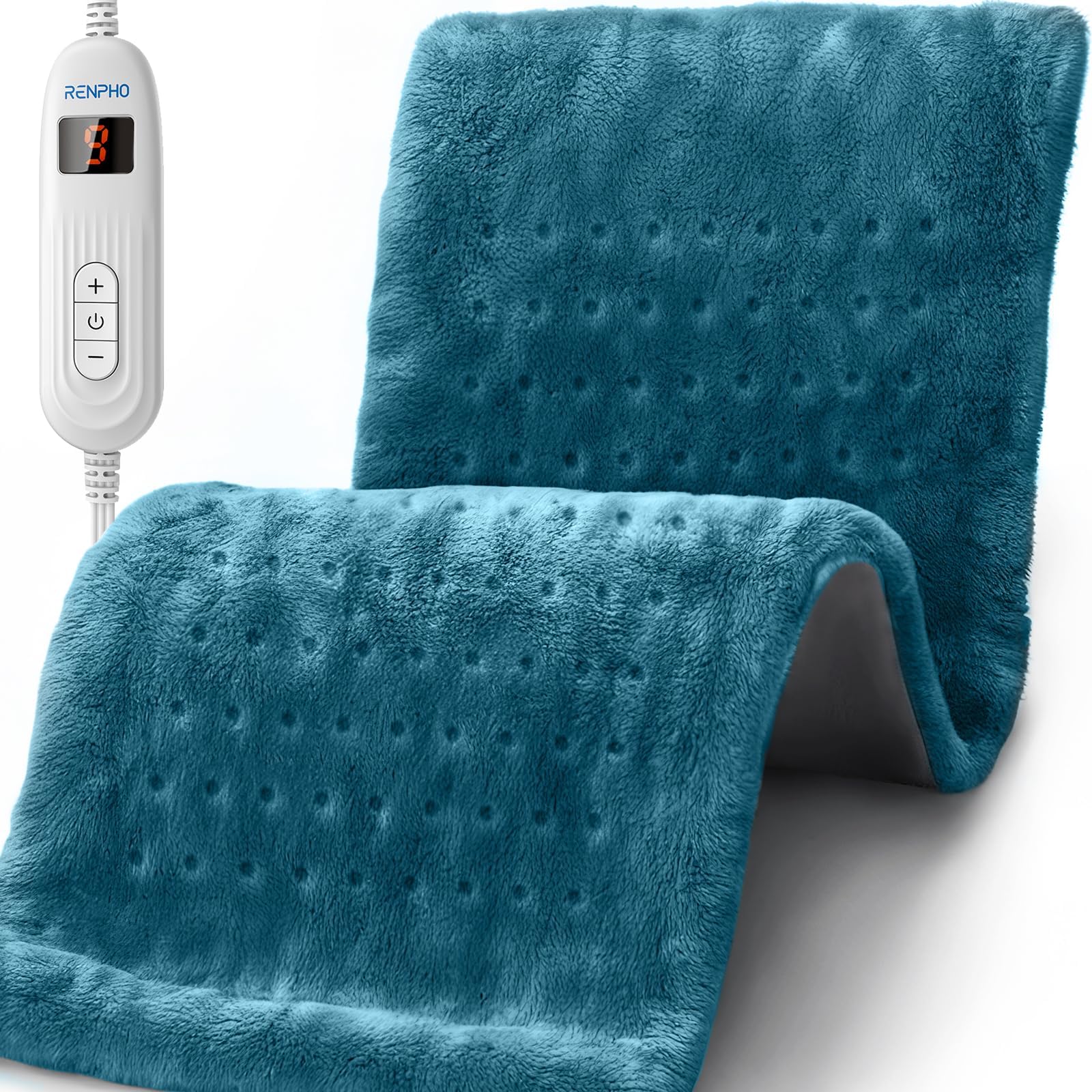
Now that we understand the benefits of heat for pets, let’s explore some affordable and easy DIY heating pad solutions.
1. Rice or Bean Heating Pads
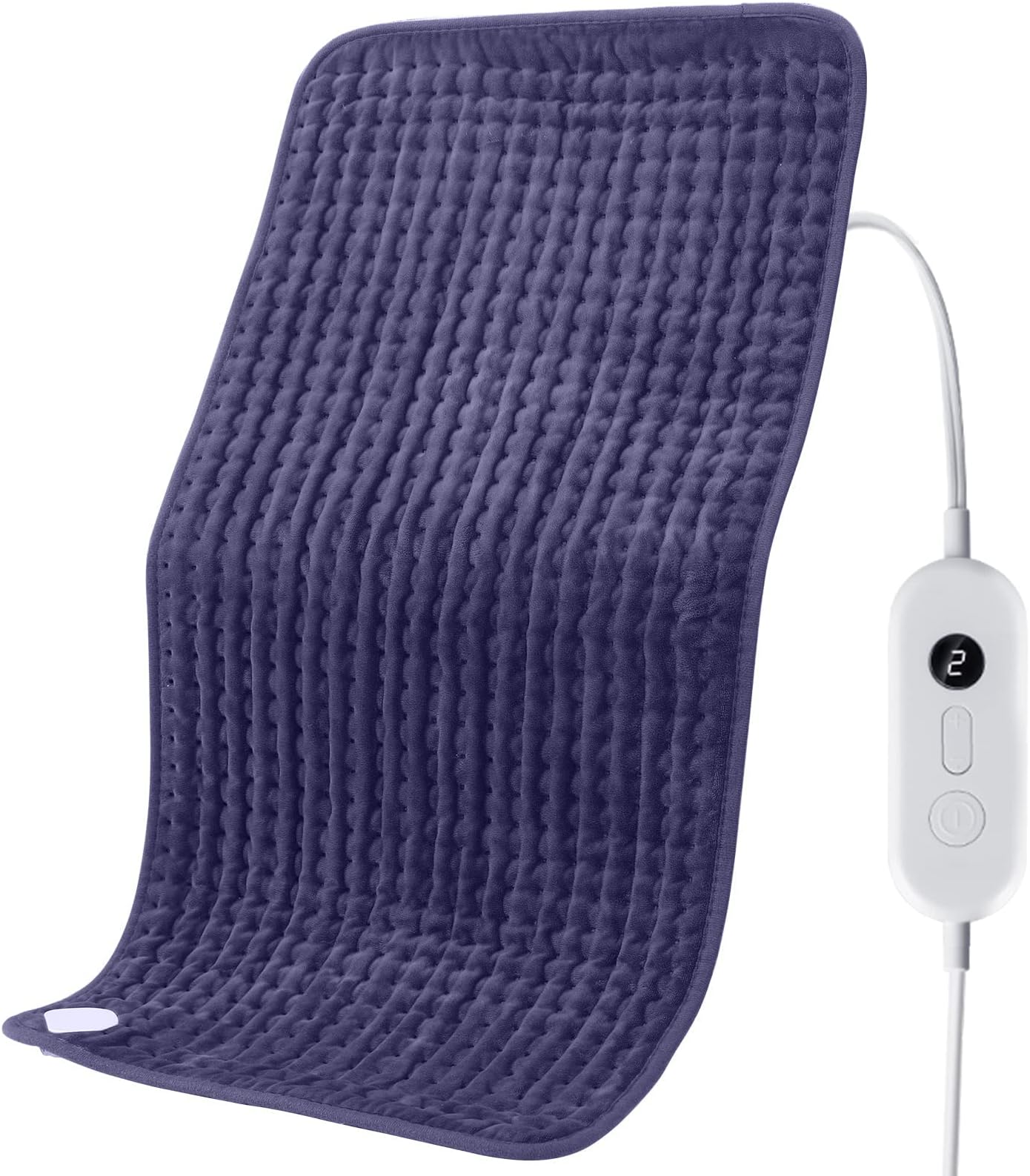
One of the simplest and most popular DIY heating pad options involves using rice or beans. These materials can retain heat for a long time and are inexpensive.
- Materials Needed:
- Uncooked rice or dried beans
- Fabric (cotton or fleece works well)
- Sewing machine or needle and thread
- Optional: Essential oils (like lavender) for calming effects
- Instructions:
- Cut the fabric into a rectangle (about 12×6 inches).
- Sew three sides, leaving one short side open.
- Fill the bag with rice or beans, leaving enough space to sew the open side closed.
- If desired, add a few drops of essential oil before sewing the last side.
- To use, heat in the microwave for 30 seconds to 1 minute, depending on your microwave’s power.
2. Warm Water Bottles
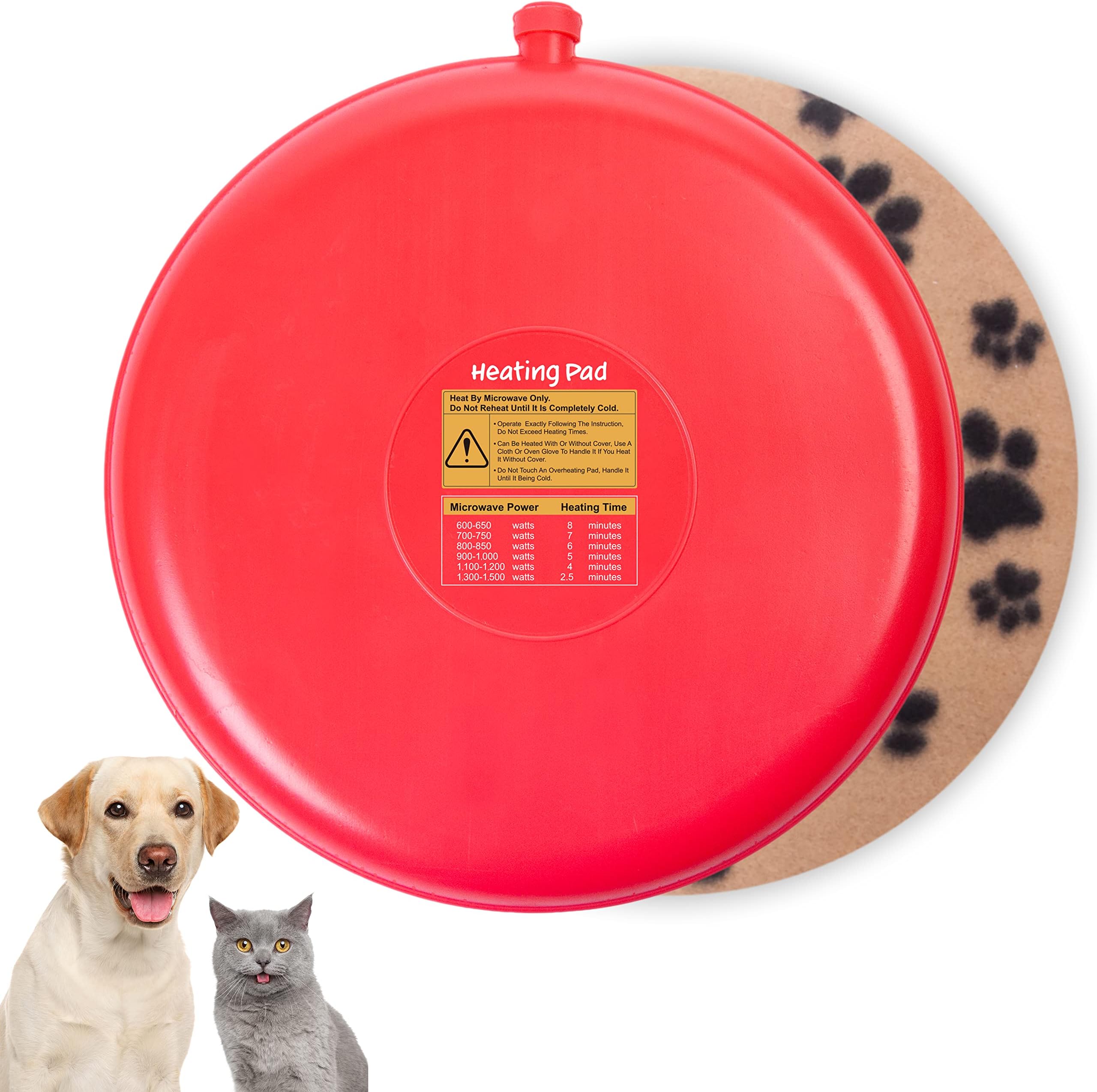
A warm water bottle can be an excellent source of heat for your pet, especially if they enjoy curling up next to something warm.
- Materials Needed:
- Rubber or silicone water bottle
- Hot water
- Towel or blanket for wrapping
- Instructions:
- Fill the water bottle with hot (not boiling) water.
- Ensure the lid is tightly sealed to prevent leaks.
- Wrap the bottle in a towel or blanket for added insulation.
- Place it in your pet’s bed or on their favorite resting spot.
3. Electric Blanket Alternatives

If you’re looking for a more extended warmth solution, consider using an electric blanket. However, make sure to modify it to ensure your pet’s safety.
- Materials Needed:
- Electric blanket
- Pet-safe blanket or cover
- Instructions:
- Lay the electric blanket on a flat surface.
- Cover it with a pet-safe blanket or cover to prevent direct contact.
- Set it to a low or medium heat setting to avoid overheating.
- Supervise your pet while it is in use to ensure they do not chew on the blanket or cords.
4. Sock Heating Pads
Another creative and easy solution involves using socks filled with rice or beans. This option is particularly good for smaller pets or specific body parts.
- Materials Needed:
- Clean sock (preferably cotton)
- Uncooked rice or dried beans
- Optional: Essential oils
- Instructions:
- Fill the sock with rice or beans, leaving room to tie off the end.
- Add a few drops of essential oil if desired.
- Tie the end of the sock securely.
- Heat in the microwave for 30 seconds to 1 minute before use.
Safety Considerations

While DIY heating pads can be a great solution, it’s essential to consider safety:
- Supervision: Always supervise your pet when using heating pads, especially homemade versions.
- Temperature: Ensure that the heat is not too intense. Test the pad on your skin before applying it to your pet.
- Duration: Limit the time your pet spends on the heating pad to avoid overheating.
- Material Choice: Use pet-safe materials and avoid any components that could be chewed off or ingested.
Case Studies: Real-Life Applications

Many pet owners have successfully implemented DIY heating pad solutions for their pets, leading to significant improvements in comfort and recovery. Here are a couple of cases:
- Case Study 1: Senior Dog Relief
Mary, an owner of a 12-year-old Labrador, noticed her dog was struggling with arthritis during the winter months. Using a rice heating pad, she found that her dog was more comfortable and even more active after using it daily. The accessible and affordable solution helped alleviate her dog’s pain without the need for expensive commercial products.
- Case Study 2: Post-Surgery Recovery
John’s cat had just undergone surgery and required warmth to aid in recovery. He created a warm water bottle setup, ensuring that it was safe and comfortable for his pet. The cat responded positively, curling up next to the warm bottle, which aided in its healing process.
DIY heating pad solutions offer affordable, safe, and effective alternatives to commercial heating products for pets. By utilizing simple materials like rice, beans, or water bottles, pet owners can create customizable heating solutions tailored to their pets’ needs. Remember to prioritize safety, supervise your pets while using these pads, and ensure that the heat is at a comfortable level. With these DIY solutions, you can keep your furry friends warm and cozy, enhancing their quality of life and promoting their overall well-being.
In summary, whether it’s a rice heating pad, warm water bottle, or sock heating pad, these affordable alternatives not only provide warmth but also demonstrate the love and care pet owners have for their companions. By embracing these DIY methods, we can make a significant difference in our pets’ comfort and happiness.