When it comes to cooking, having a well-organized spice rack can make all the difference. A lazy Susan spice rack, with its rotating shelves, offers an efficient way to store and access your spices. However, without proper organization, it can quickly become a chaotic jumble. This article will explore five creative ways to organize your lazy Susan spice rack, ensuring that you can find what you need when you need it.
1. Categorize by Cuisine

One of the most effective ways to organize your spices is by grouping them according to the cuisine they belong to. This method allows you to quickly locate the spices you need based on the type of dish you are preparing.
- Italian: Basil, oregano, thyme, garlic powder, red pepper flakes
- Mexican: Cumin, chili powder, coriander, paprika, oregano
- Indian: Curry powder, turmeric, garam masala, cardamom, coriander
- Asian: Ginger, sesame seeds, five-spice powder, chili flakes, star anise
According to a study published in the “International Journal of Gastronomy,” spices are integral in enhancing flavors and can be categorized by their culinary uses. By organizing your spices this way, you can create an efficient workflow, minimizing the time spent searching for ingredients.
2. Use Clear Containers

Visibility is crucial for an efficient spice rack. Using clear containers can help you quickly identify what you have. This method also adds a sleek aesthetic to your kitchen.
- Glass Jars: Opt for small glass jars with labels to keep your spices fresh and visible.
- Plastic Containers: Lightweight and shatterproof, these are great for families with kids.
- Magnetic Spice Jars: These can stick to the sides of your lazy Susan, maximizing space and visibility.
According to the National Kitchen and Bath Association, 70% of homeowners prefer clear storage options for easy visibility. By using transparent containers, you can minimize the risk of buying duplicates and ensure that you are using your spices before they expire.
3. Label Everything

Labeling is an essential step in organizing any spice rack. It not only helps you find what you need but also boosts your cooking confidence.
- Pre-Printed Labels: Invest in pre-printed spice labels that are easy to read and stick to jars.
- DIY Labels: Use a label maker or write on washi tape for a personal touch.
- Color-Coded Labels: Use different colors for various cuisines or spice types for quick identification.
A survey by the American Association of Cooks found that 85% of people feel more confident in the kitchen when they can easily identify their spices. Proper labeling can significantly enhance your cooking experience by reducing the time spent searching through jars.
4. Implement a “First In, First Out” System

Spices have a shelf life, and using older spices before newer ones is crucial for maintaining flavor quality. A “First In, First Out” (FIFO) system can help you achieve this.
- Arrange by Age: Place newer spices at the back and older ones at the front.
- Use Date Labels: Mark the date of purchase or expiration on each container.
- Regular Audits: Schedule a monthly check to remove expired spices and reorganize as needed.
Research from the U.S. Spice Trade Association indicates that spices can lose their potency after 6 months to 2 years, depending on the type. By implementing a FIFO system, you ensure that your spices are fresh, enhancing the flavors of your dishes.
5. Maximize Vertical Space
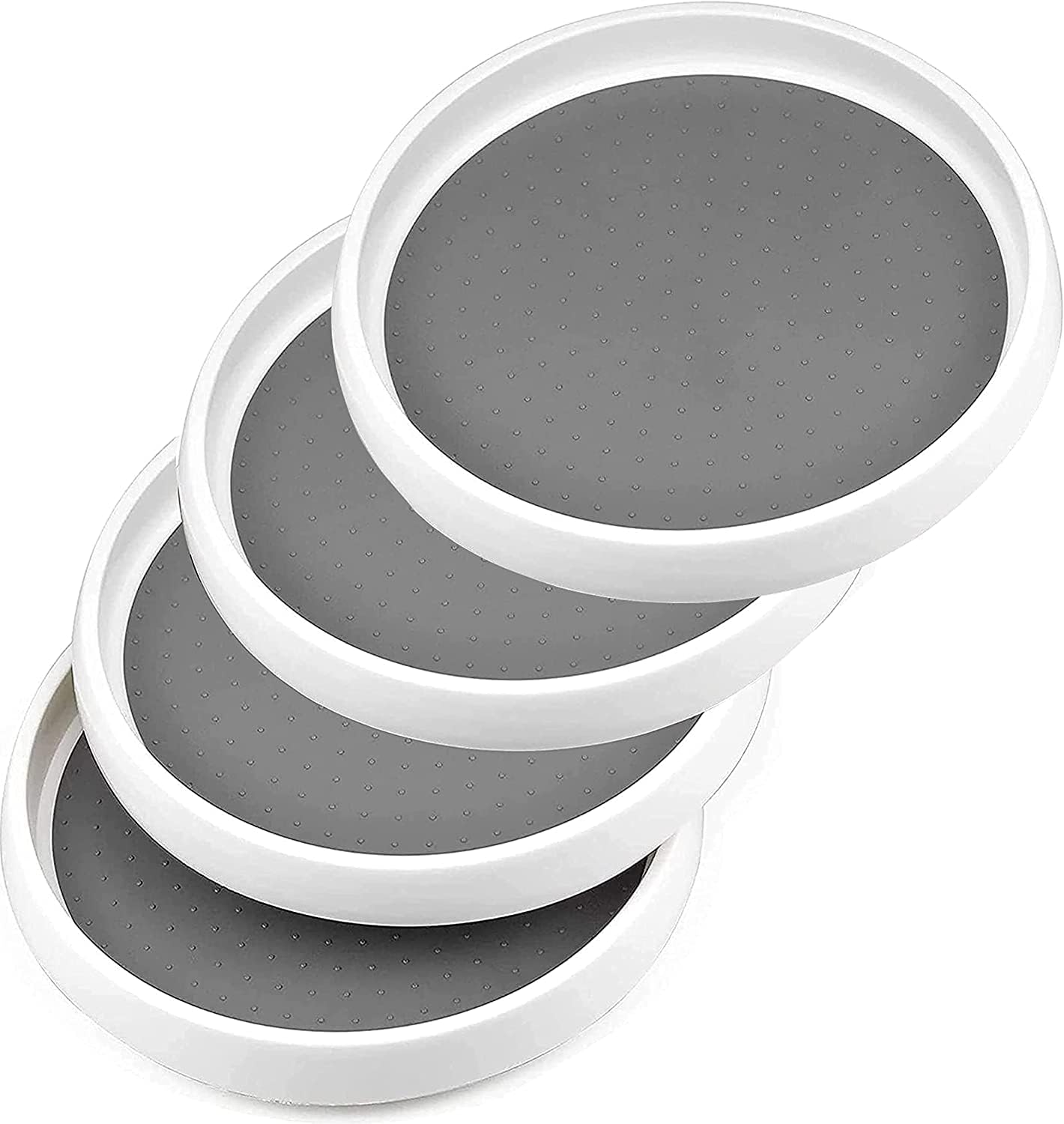
Lazy Susan spice racks often have limited horizontal space. Maximizing vertical space can help you store more spices without cluttering your counter.
- Tiered Storage: Use tiered shelves to create levels on your lazy Susan.
- Stackable Containers: Opt for containers that can be stacked to utilize vertical height.
- Over-the-Door Racks: If space allows, consider adding an over-the-door spice rack on the inside of your cupboard.
According to the National Kitchen and Bath Association, utilizing vertical space can increase storage capacity by up to 50%. This method not only creates more room for additional spices but also enhances accessibility, making your cooking experience more enjoyable.
Organizing your lazy Susan spice rack doesn’t have to be a daunting task. By implementing these five creative strategies—categorizing by cuisine, using clear containers, labeling everything, implementing a FIFO system, and maximizing vertical space—you can create an efficient and aesthetically pleasing spice storage solution. A well-organized spice rack not only saves time but also enhances your culinary adventures, allowing you to explore new flavors and cuisines with confidence. Remember, the key to an effective spice rack is not just organization but also a commitment to keeping it tidy and updated. So, roll up your sleeves and transform your spice rack into a vibrant hub of flavor!